Alabama Senate Blocks Gambling Expansion Package by One Vote
Ellis Lange · Aug 1, 2026

Alabama Senate Blocks Gambling Expansion Package by One Vote
Alabama lawmakers watched their latest attempt to authorize a state lottery, limited casino gaming, and sports betting collapse in the Senate when HB 151, the constitutional amendment at the center of the package, missed approval by a single vote during the regular session. The measure had cleared the House earlier, yet without support from enough senators the entire set of bills expired at the session's close; Governor Kay Ivey declined to call a special session, leaving the proposals dormant for at least another year.
Under the defeated framework the state would have permitted up to seven casino-style facilities, established a dedicated gaming commission to oversee operations, and opened regulated sports betting alongside a lottery. Revenue estimates circulated by proponents placed annual collections between $935 million and $1.2 billion once facilities reached full operation, funds that backers argued would support education and infrastructure priorities without raising taxes.
Legislative Path and Final Tally
The constitutional amendment required a three-fifths majority in both chambers before voters could consider it on a statewide ballot, a threshold the Senate vote failed to meet. Observers noted that several senators who had signaled support earlier ultimately voted against the package or abstained, producing the decisive one-vote shortfall. Companion bills creating the regulatory structure and authorizing specific gaming activities advanced through the House but could not move forward once the constitutional vehicle stalled.
Because the regular session adjourned without further action, the legislation lapsed automatically. In August 2026 state officials confirmed no special session had been scheduled, confirming that any renewed push would need to begin in the 2027 legislative cycle.
Details of the Proposed Framework
The package outlined a controlled expansion rather than widespread legalization. Up to seven destination-style facilities would have been authorized through a competitive licensing process managed by the new gaming commission. Sports betting would have been restricted to those licensed locations and to mobile platforms tied to in-state operators, while the lottery component mirrored structures already operating in neighboring states. Revenue distribution formulas directed the largest share toward public education, with smaller allocations earmarked for problem-gambling treatment programs and local host-community payments.
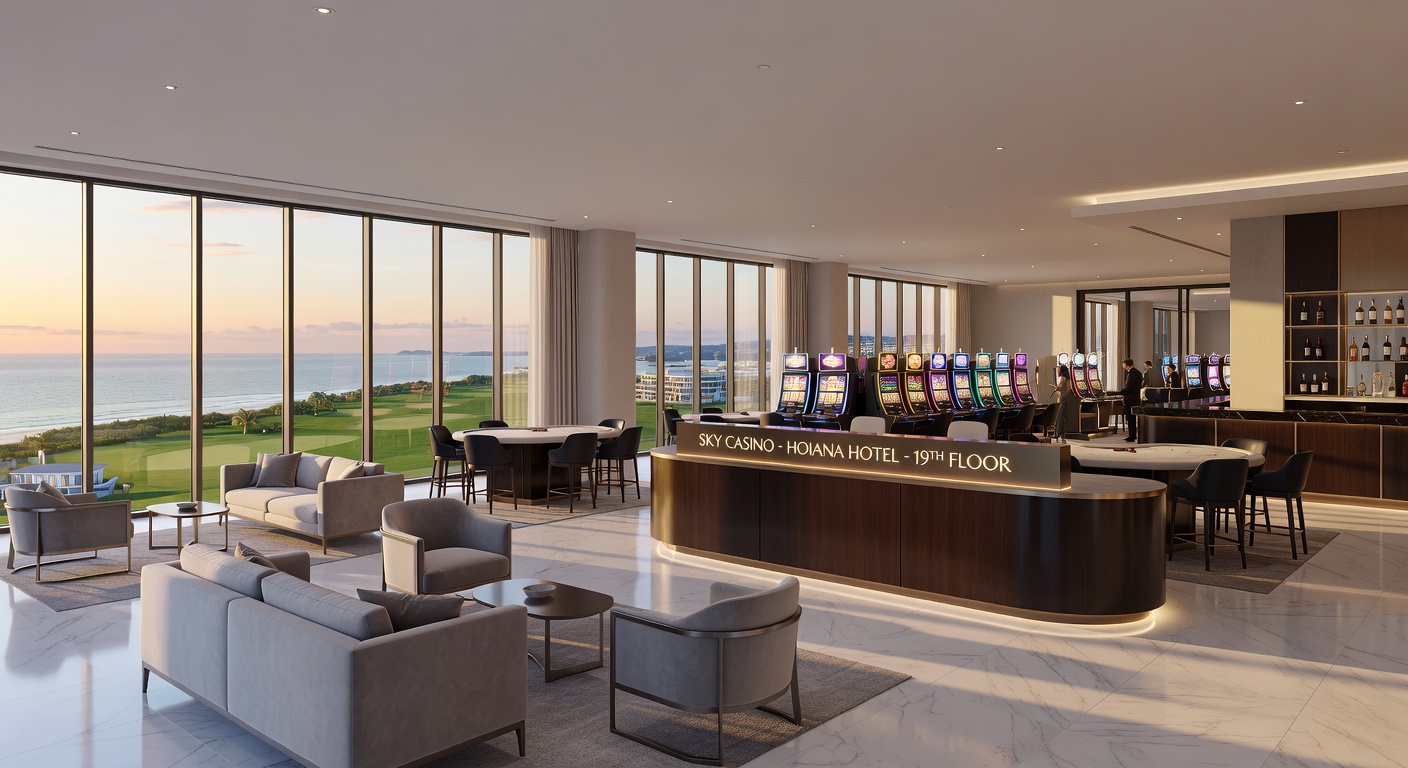
Proponents highlighted economic development arguments, pointing to construction jobs, ongoing employment at the facilities, and tourism draw from neighboring states where similar products already exist. Fiscal analyses presented during committee hearings projected that the combined offerings could generate the cited $935 million to $1.2 billion range once ramp-up completed, though those figures assumed prompt licensing and construction timelines that now cannot begin until new legislation passes.
Immediate Consequences for Alabama
With the bills expired, Alabama remains one of the few southeastern states without any form of state-sanctioned casino gaming or sports betting. Lottery sales, sports wagering, and casino visits by Alabama residents continue to flow to neighboring jurisdictions, particularly Mississippi and Georgia, where regulated options operate. State budget documents for fiscal year 2027 therefore contain no revenue line items tied to expanded gaming, requiring lawmakers to identify alternative funding sources for education and capital projects previously linked to the defeated package.
Industry participants and tribal representatives who had positioned themselves for potential license applications have shifted focus to other markets or to the 2027 session. Regulatory staff who had begun preliminary work on licensing criteria and responsible-gaming standards have returned to other assignments within state agencies.
Looking Ahead
Any future effort will require fresh legislation introduced in the next regular session, followed by another constitutional amendment vote and, if successful, a statewide referendum. Supporters have already begun discussing adjustments to the prior package, including possible changes to the number of authorized facilities or revenue-sharing formulas, in hopes of securing broader Senate support. Until then, Alabama's legal gambling landscape stays limited to pari-mutuel wagering at existing racetracks and charitable gaming activities already permitted under longstanding statutes.
Conclusion
The narrow Senate defeat of HB 151 ended Alabama's most recent bid to join neighboring states in offering expanded gaming options. With the package now expired and no special session called, the state will operate without new lottery, casino, or sports-betting revenue streams through at least the 2027 legislative session. Lawmakers and stakeholders on both sides of the issue have begun preparing positions for the next opportunity to revisit the topic.