Charting Developer Protocols That Embed Safety Layers Into Cross-Studio Spin Mechanics on Portable Interfaces
Otto Hayes · Jul 11, 2026
Charting Developer Protocols That Embed Safety Layers Into Cross-Studio Spin Mechanics on Portable Interfaces
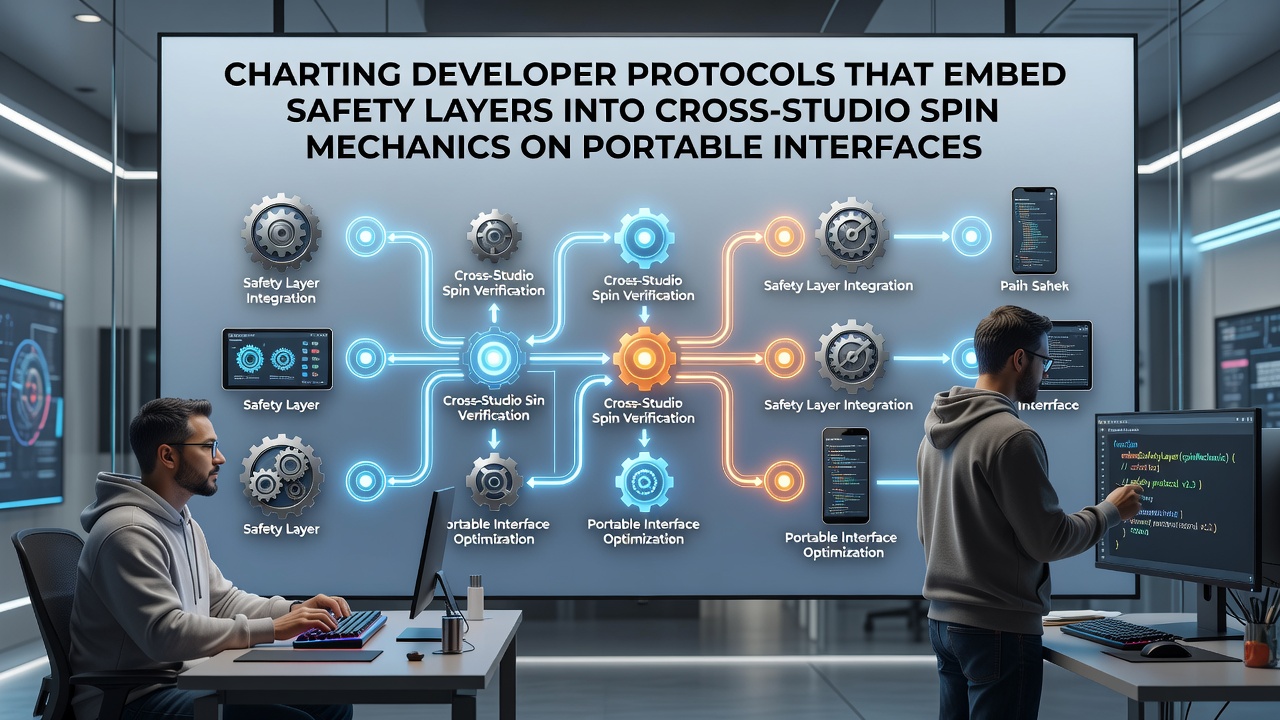
Developers across multiple studios have integrated safety protocols directly into spin mechanics for portable devices, and these systems allow games from different providers to operate under unified security frameworks while maintaining individual creative elements. Research from industry testing labs shows that such protocols rely on standardized APIs that verify random number generation in real time, encrypt transaction data during each spin cycle, and monitor for anomalies like rapid input patterns that might indicate automated interference. The core of these protocols involves embedding verification layers at the point where spin requests are processed on mobile interfaces, which ensures that outcomes remain independent of studio origin yet conform to shared safety standards. Data from regulatory filings indicates that by July 2026 multiple jurisdictions had updated their compliance requirements to include these cross-compatible modules, allowing seamless transitions between titles without resetting security checks.Protocol Architecture and Cross-Studio Integration
Engineers structure these safety layers as modular components that attach to existing spin engines rather than replacing them entirely, so one studio's reel configuration can interact with another's bonus triggers while both pass through the same validation pipeline. Observers note that this approach reduces redundant certification times because a single audit can cover multiple titles once the shared protocol receives approval.
Portable interfaces add constraints around latency and intermittent connectivity, which developers address by caching verification tokens locally and syncing them with central servers when signals stabilize. Figures from platform analytics reveal that sessions using these cached layers experience fewer interruptions compared with older single-studio systems that required constant server pings for every outcome check.
Mobile-Specific Safety Mechanisms
Touch input handling receives extra scrutiny under these protocols because portable devices register gestures differently than desktop controls, and the system flags sequences that deviate from expected human timing distributions. Certified labs apply statistical models to incoming data streams, comparing each spin's metadata against baselines established during initial testing phases.
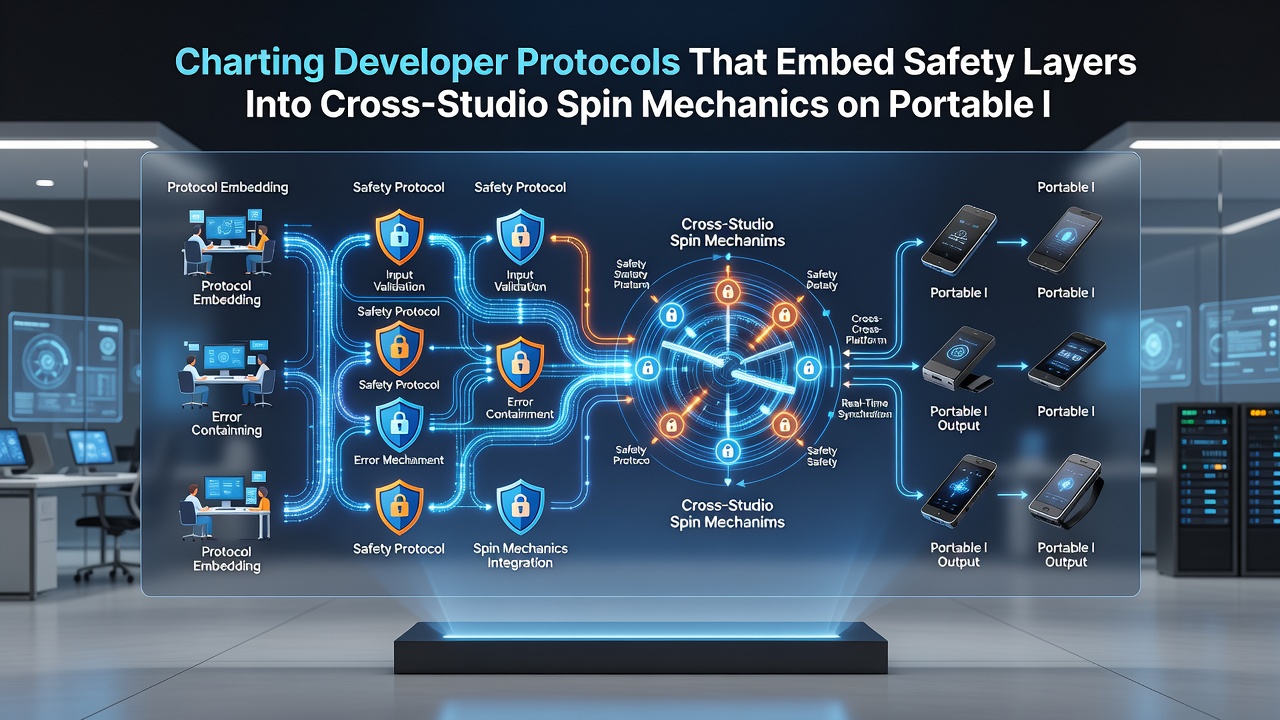
Encryption occurs at the packet level for every spin request and result, using keys rotated at intervals determined by the protocol rather than fixed schedules, and this rotation pattern prevents replay attacks across studio boundaries. According to documentation released by the Nevada Gaming Control Board, operators adopting these rotating-key methods reported measurable declines in disputed outcome claims during the first half of 2026.
Verification Standards and Testing Timelines
Independent laboratories apply a sequence of stress tests that simulate network drops, battery thresholds, and concurrent application usage while monitoring whether safety layers continue to enforce outcome integrity. Results from these evaluations feed into a shared registry that studios consult before launching new titles, shortening the path from development to deployment.
One documented implementation involved three separate development teams aligning their spin engines to a common protocol specification, after which joint certification reduced individual approval cycles by approximately 30 percent according to internal project summaries. The approach relies on open technical specifications published by industry groups rather than proprietary code, which encourages wider adoption while preserving competitive differences in visual design and payout structures.
Future Developments in Portable Gaming Protocols
Additional modules under consideration include biometric verification hooks that tie spin authorization to device-level user authentication, and early trials indicate these can operate without introducing noticeable delays on mid-range hardware. European regulatory updates scheduled for late 2026 reference similar layered approaches as models for harmonizing standards across borders.
Academic papers from technical universities have examined the cryptographic overhead of embedding these layers, finding that optimized implementations maintain sub-50-millisecond response times even when multiple safety checks run in parallel. Such performance data supports continued rollout on portable platforms where users expect immediate feedback after each interaction.
Conclusion
Cross-studio protocols continue to evolve as portable interfaces become primary access points for interactive gaming content, and the emphasis remains on embedding verifiable safety at the mechanical level rather than as an afterthought. Ongoing collaboration between developers, laboratories, and regulators shapes the next generation of these systems while preserving the distinct characteristics that define individual studio contributions.