Charting the Evolution of Slot Volatility Adjustments Tied to Tiered Membership Perks Within App-Based Casino Ecosystems
Olivia Albrecht · Aug 5, 2026
Charting the Evolution of Slot Volatility Adjustments Tied to Tiered Membership Perks Within App-Based Casino Ecosystems
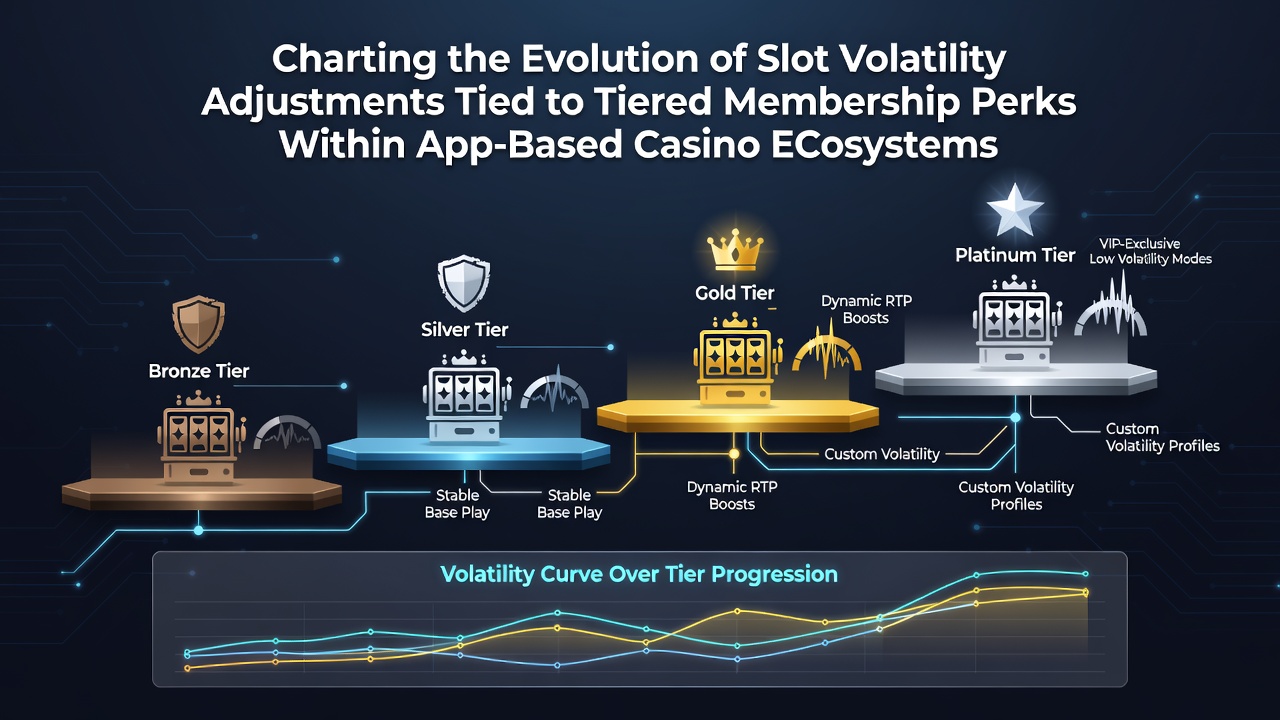
App-based casino platforms began linking slot volatility settings to tiered membership structures more than a decade ago, and those connections have grown more precise as software developers refined player data systems and real-time game engines. Early implementations relied on static reward tables that offered bonus spins or cashback percentages scaled to deposit volume, yet volatility itself remained fixed across all users. Platform operators soon recognized that adjusting reel variance based on loyalty status could extend session lengths and encourage progression through membership levels without altering published return-to-player figures.
Early Development of Tier-Based Game Mechanics
Initial experiments in the mid-2010s introduced separate game versions for bronze, silver and gold accounts where higher tiers accessed titles with reduced hit frequency but larger potential line wins, while entry-level accounts received more frequent smaller payouts. Those changes required backend flags that read membership databases at login and loaded the corresponding math model, a process that demanded close coordination between game studios and the casino operators who hosted the applications. Data from regulatory filings in multiple jurisdictions shows that these segmented volatility profiles appeared first in European and North American markets before spreading to Asia-Pacific platforms.
Technological Shifts Enabling Dynamic Adjustments
Modern app architectures now allow volatility parameters to update mid-session when a player completes a tier-up requirement or redeems a perk that temporarily modifies game settings. Developers embed API calls that pull current membership data, apply weighted algorithms, and recalibrate reel strips or bonus trigger rates on the fly while maintaining certified random number generator integrity. Observers note that such flexibility depends on secure supplier partnerships and continuous compliance testing by independent laboratories that verify each adjustment stays within approved ranges. Research from industry reports indicates these systems expanded rapidly once mobile operating systems permitted background data exchange without draining device resources.
Regional Regulatory Influences on Implementation
Regulators in different regions have shaped how far operators can push volatility customization. The New Jersey Division of Gaming Enforcement requires detailed documentation of any math model variation tied to player status, while iGaming Ontario mandates public disclosure of average volatility ranges across membership tiers. Similar oversight frameworks in Australia and several Canadian provinces have prompted platforms to publish tier-specific volatility descriptors inside game help menus, allowing users to understand how their current status influences outcome distribution. These requirements emerged gradually as authorities gathered evidence that tiered adjustments could affect player behavior patterns across extended periods.
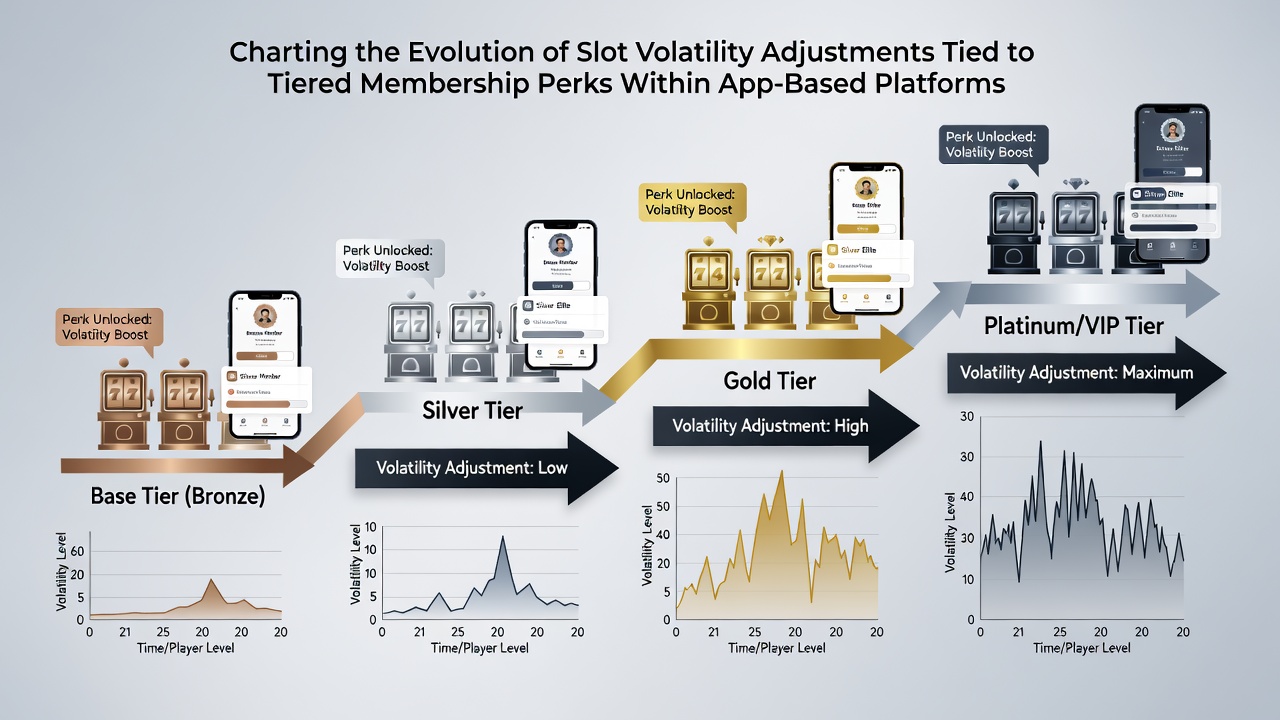
August 2026 data releases from several state gaming commissions revealed continued growth in app-based slot activity, with operators reporting that players holding elite membership status generated longer average session durations when matched to lower-variance configurations. Those figures aligned with broader trends documented across multiple jurisdictions, where platforms refined perk structures to include temporary volatility reductions as redeemable rewards rather than automatic tier benefits. Software providers responded by developing modular math engines that support dozens of variance presets, each validated separately and selectable through membership management tools.
Supplier Innovations and Platform Partnerships
Game studios have introduced configurable volatility sliders that operators activate only after verifying a player's current tier and available perks through encrypted token exchanges. This approach preserves the integrity of certified games while enabling personalized experiences that reflect loyalty program design. Multiple providers now offer analytics dashboards that track how often members at each level select or receive adjusted volatility modes, supplying operators with granular insight into engagement metrics without exposing raw player data. Such tools have become standard components of integration packages delivered to major app-based operators throughout 2025 and 2026.
Future Trajectory of Integrated Systems
Current development roadmaps point toward deeper synchronization between membership databases, payment processors and game engines, allowing volatility adjustments to respond to real-time behavior signals such as deposit frequency or play intensity while remaining anchored to tier status. Laboratories continue to expand testing protocols to cover these dynamic scenarios, and operators must demonstrate that adjustments remain fair and transparent across all membership categories. Evidence from ongoing platform audits suggests the trend will persist as long as regulatory bodies maintain clear guidelines and players continue to respond positively to status-linked game variations.
Conclusion
The evolution of slot volatility adjustments tied to tiered membership perks reflects steady advancement in both technology and regulatory oversight across app-based casino ecosystems. Platforms now manage complex interactions between loyalty data, game mathematics and compliance requirements that were impractical only a few years earlier, and August 2026 figures confirm sustained adoption of these features. Continued refinement will depend on collaboration among developers, operators and regulators to ensure adjustments remain verifiable and aligned with established standards in each jurisdiction.