Deciphering How Certified Testing Labs Shape Feature Rollout Timelines Across Multi-Studio Slot Ecosystems
Morgan Simon · May 30, 2026
Deciphering How Certified Testing Labs Shape Feature Rollout Timelines Across Multi-Studio Slot Ecosystems
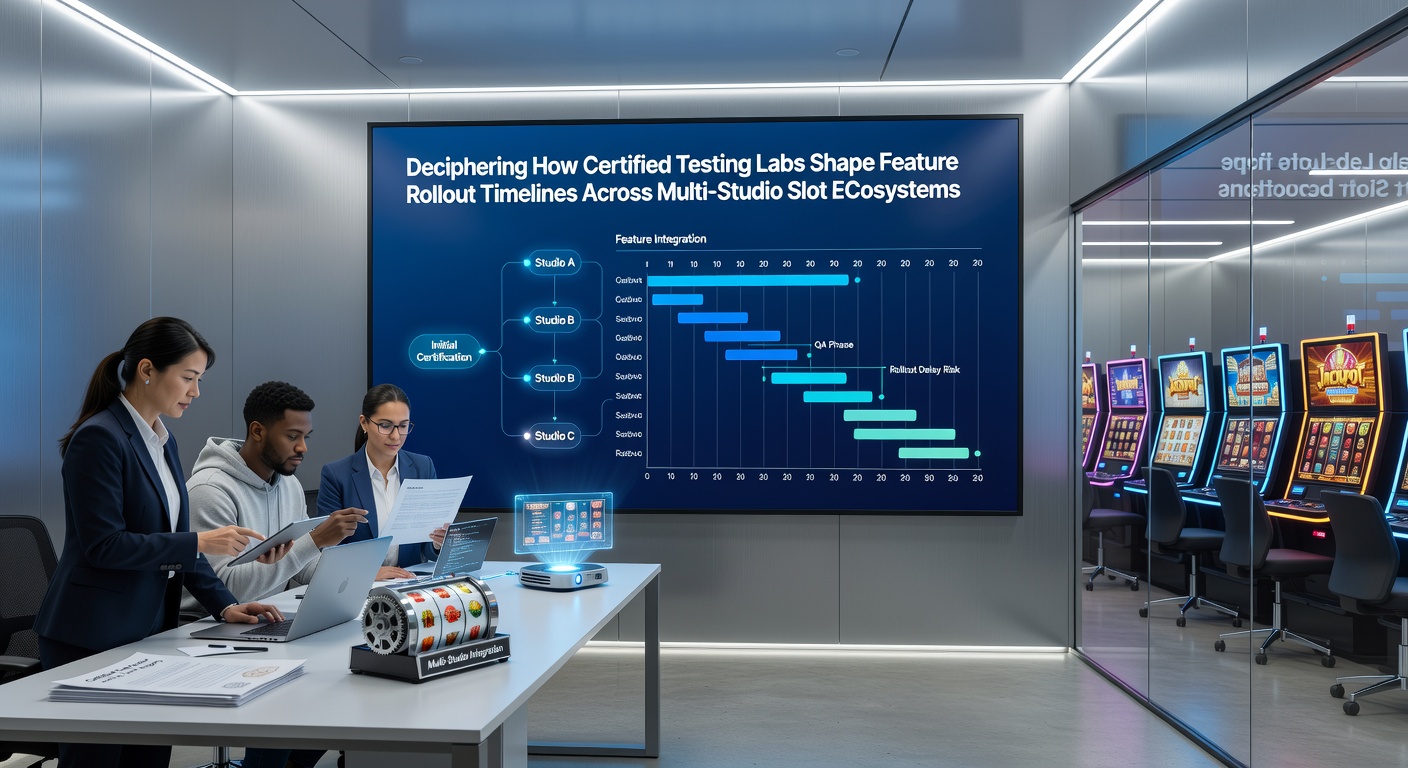
Certified testing labs operate as independent verification bodies that examine slot game software for regulatory compliance and technical integrity before any feature reaches player-facing platforms, and this process directly determines how quickly new mechanics, bonus rounds, or integration updates can appear across multiple studios operating within shared ecosystems. Studios often develop features in parallel yet must route every modification through sequential lab evaluations that include random number generator audits, mathematical modeling of payout structures, and security penetration tests, all of which extend the interval between concept approval and live deployment by several weeks or months depending on jurisdiction and complexity.
Core Functions of Certified Testing Labs in Slot Development
These laboratories review source code line by line while simulating millions of game cycles to confirm statistical fairness, and they also validate that new features such as dynamic reel modifiers or cross-game progressions do not introduce vulnerabilities that could compromise player data or transaction systems. Observers note that labs maintain standardized testing protocols established by gaming authorities, which means a single feature update in one studio can trigger re-testing across every connected title when ecosystems share backend frameworks. Data from regulatory filings show that average certification cycles for incremental slot features range between 14 and 45 days, whereas major overhauls involving new math models or third-party integrations frequently require 60 to 120 days before multi-studio rollout can proceed.
Coordination Challenges in Multi-Studio Environments
Multi-studio slot ecosystems rely on centralized game servers that distribute content to operators across regions, yet each participating studio must submit its feature contributions separately even when they share common code libraries. This creates overlapping review queues at labs where testers prioritize submissions based on regulatory deadlines rather than commercial launch schedules, and the resulting bottlenecks become especially visible when one studio's update depends on another studio's certified module. Research indicates that synchronization delays compound when different jurisdictions impose unique requirements, for instance requiring additional responsible gaming checks in one market while another focuses on currency conversion accuracy, forcing labs to run parallel but non-identical test suites.
Timeline Data and Regulatory Benchmarks
Figures released in early 2026 reveal that labs processed over 2,800 slot-related submissions in the first quarter alone, with approximately 37 percent involving multi-studio coordination elements such as shared progressive jackpots or unified loyalty tracking. Certification bodies in North America and Europe report that features incorporating live data feeds or external APIs encounter the longest queues because testers must validate real-time connectivity under peak load conditions. As of May 2026, several large operators adjusted their internal calendars to allocate an additional four to six weeks exclusively for lab review phases when planning cross-studio content drops, recognizing that skipping or shortening these steps risks rejection and subsequent resubmission cycles.
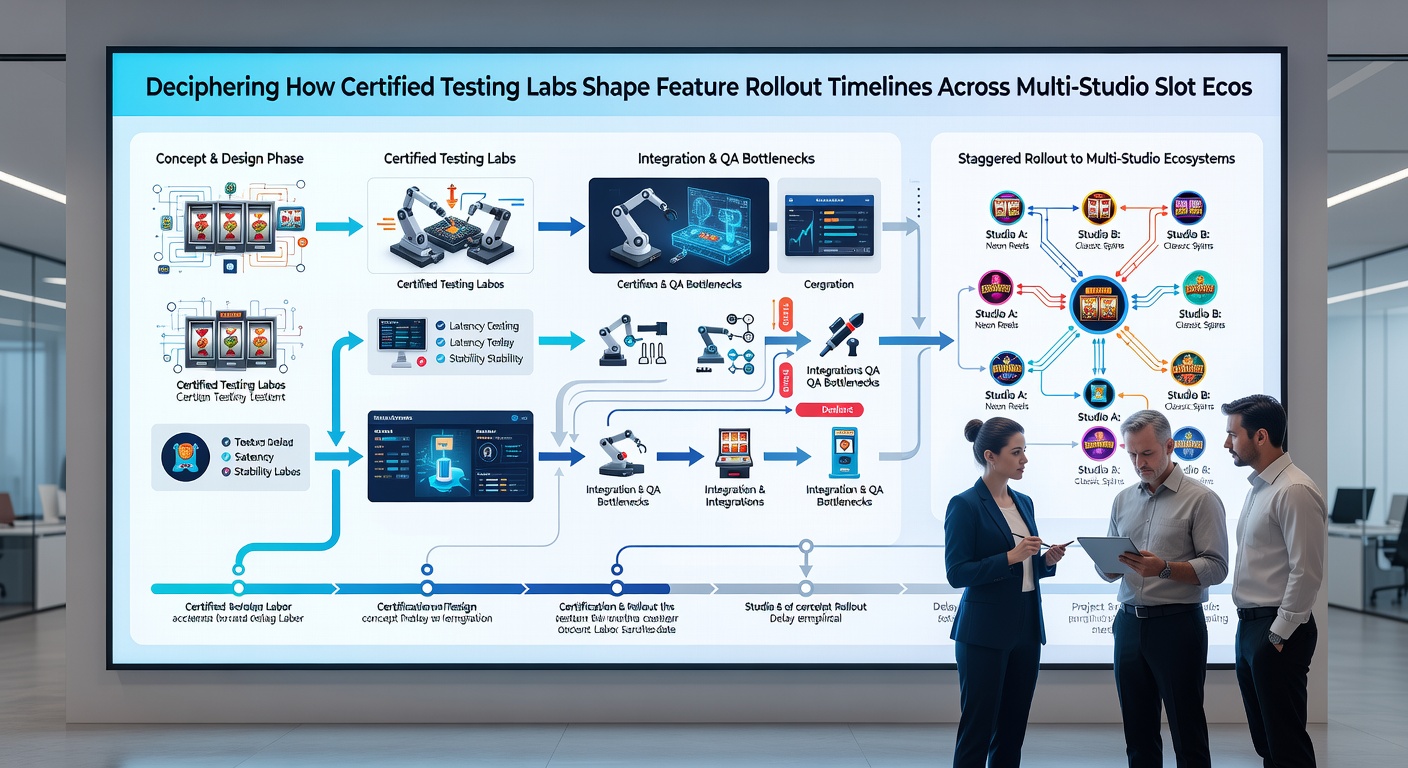
Industry reports compiled by the New Jersey Division of Gaming Enforcement highlight that coordinated submissions from multiple studios reduce individual review time by roughly 18 percent compared with isolated filings, primarily because labs can reuse baseline test results for shared components. Yet this efficiency gain only materializes when all parties align their code versions before submission, a requirement that demands precise version control across development teams located in different time zones and operating under separate publishing agreements.
Examples from Recent Ecosystem Deployments
Take one deployment cycle completed in March 2026 where three independent studios contributed new bonus features to a shared progressive network, and the entire package spent 78 days in lab review before simultaneous activation across 12 operator platforms. The process involved iterative feedback rounds where labs flagged edge cases in bonus trigger logic that only appeared under combined load from all three studios, prompting code revisions that reset portions of the testing clock. Similar patterns appear in Australian market data tracked by the Australian Communications and Media Authority, where multi-studio titles consistently show longer intervals between feature announcement and live availability than single-studio releases due to the added layer of cross-compatibility verification.
Strategic Adjustments by Studios and Operators
Studios have begun embedding lab consultation checkpoints earlier in their development pipelines, allowing preliminary code reviews before full builds are complete, while operators maintain dedicated certification liaisons who track submission status across multiple labs simultaneously. These practices help compress timelines without compromising the integrity checks that regulators require, and they reflect an industry-wide recognition that certification throughput directly influences revenue recognition schedules tied to seasonal promotions or major sporting events. Evidence from platform analytics indicates that titles experiencing shorter certification windows achieve faster iteration rates, enabling studios to respond more quickly to player preference shifts detected through aggregated gameplay metrics.
Conclusion
Certified testing labs continue to function as gatekeepers whose procedural requirements set the pace for feature availability throughout multi-studio slot ecosystems, and their influence extends beyond simple approval stamps into the fundamental scheduling architecture that studios and operators must navigate. As regulatory frameworks evolve and technical complexity increases with each new integration layer, the duration and sequencing of lab evaluations remain central variables that determine when players encounter updated content across connected platforms. Organizations that align their development and submission processes around these constraints consistently achieve more predictable rollout windows while maintaining compliance across jurisdictions.