Decoding Player Loyalty Loops: How Verified Payout Systems and Supplier Tools Build Layered Benefits in Handheld Gaming Environments
Otto Hayes · May 18, 2026
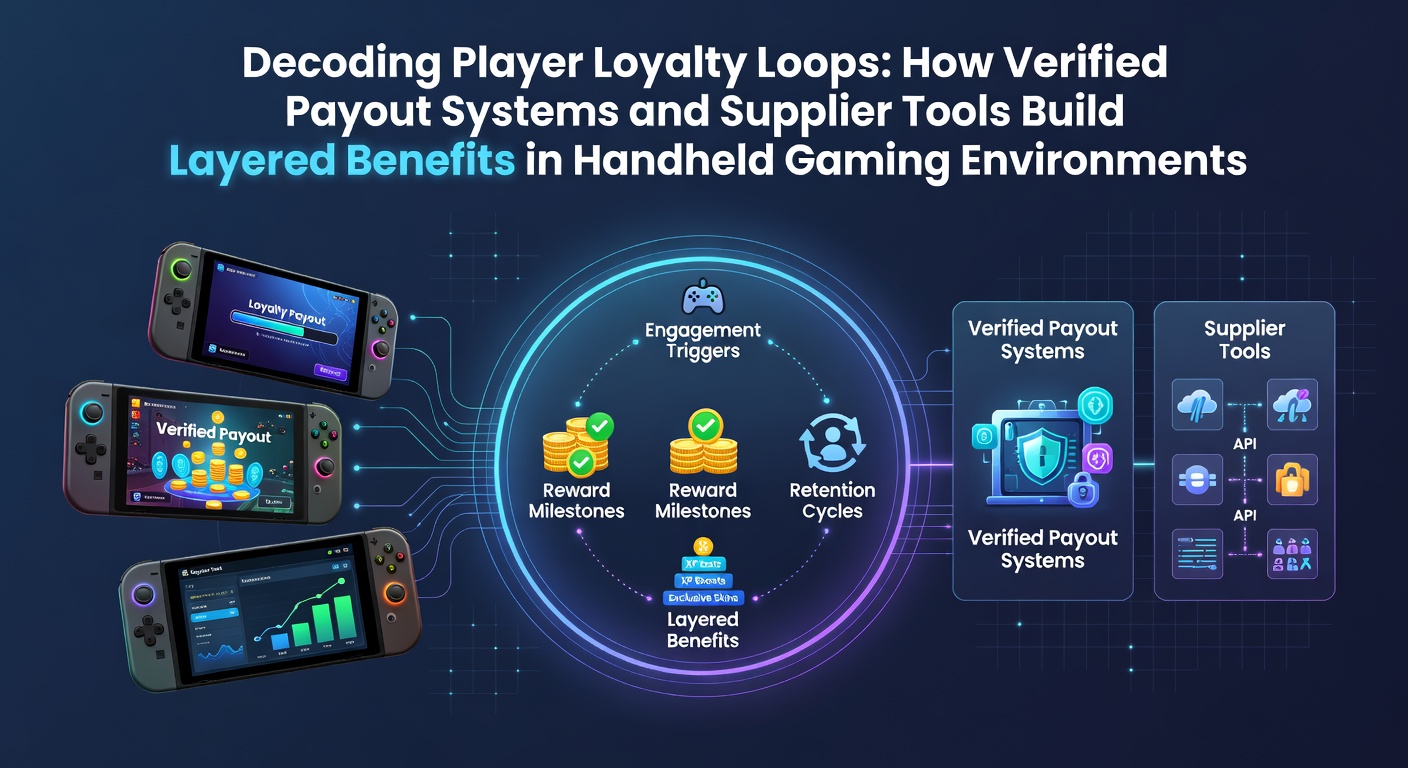
Decoding Player Loyalty Loops: How Verified Payout Systems and Supplier Tools Build Layered Benefits in Handheld Gaming Environments
Handheld gaming environments rely on interconnected systems that turn routine player actions into sustained engagement cycles, and verified payout mechanisms sit at the center of these structures. Players complete deposits, place wagers, and receive rewards through platforms that confirm every transaction in real time, which in turn feeds data back into loyalty algorithms supplied by specialized gaming technology providers. These loops gain strength when payout verification happens instantly, allowing users to reinvest winnings without delays that might break momentum.
Core Components of Loyalty Loops on Portable Devices
Developers design loyalty loops as repeating sequences where each completed game session triggers eligibility for tiered rewards, and verified payout systems accelerate the return leg of that cycle. Suppliers equip operators with modular tools that monitor session length, bet patterns, and withdrawal frequency across smartphones and tablets. Data collected during these interactions updates player profiles automatically, so the next login presents offers calibrated to prior behavior rather than generic promotions.
Research from the European Gaming and Betting Association shows that platforms integrating real-time verification reduce average withdrawal processing times to under two minutes in many jurisdictions. That speed matters because players who receive confirmed funds quickly tend to initiate new deposit sequences within the same session, tightening the loop. Supplier dashboards display these metrics live, letting operators adjust reward thresholds on the fly while handheld users notice only the seamless flow from payout to fresh play credit.
Role of Verified Payout Systems in Reinforcing Engagement
Verified payout systems function as trust anchors inside loyalty frameworks because every approved withdrawal carries cryptographic confirmation that updates the player's status instantly. Operators connect these systems to supplier APIs that tag successful transactions with loyalty points or cashback percentages before funds even reach the user's wallet. In practice this means a player withdrawing winnings on a tablet in May 2026 receives both the cash and an automatic notification of upgraded tier status within the same interface.
Industry figures from the New Jersey Division of Gaming Enforcement reveal steady growth in mobile transaction volumes that coincide with the rollout of instant verification protocols. When verification layers operate without friction, operators report higher retention across multi-week periods, since players experience fewer interruptions between reward collection and continued participation. The tools supplied by platform vendors also log these events for compliance audits, creating an additional benefit layer where transparent records support regulatory reporting without extra operator effort.
Supplier Tools That Enable Layered Benefit Structures
Technology providers deliver modular components such as dynamic reward engines and cross-session tracking modules that operators deploy inside handheld applications. These modules connect directly to payout gateways so that verified transactions automatically populate loyalty ledgers with points, free spins, or personalized multipliers. One documented case involves a European operator that linked its supplier dashboard to three separate verification services, resulting in synchronized reward delivery across both iOS and Android environments.
Because the tools operate in the background, players encounter only the visible outcomes: escalating bonus offers that reflect cumulative activity rather than isolated sessions. Observers note that such integration reduces the manual configuration previously required for multi-tier programs, allowing smaller operators to maintain competitive loyalty structures that once demanded large in-house development teams. Data streams from these supplier platforms also feed predictive models that forecast when a player is likely to disengage, triggering preemptive offers delivered straight to the handheld interface.
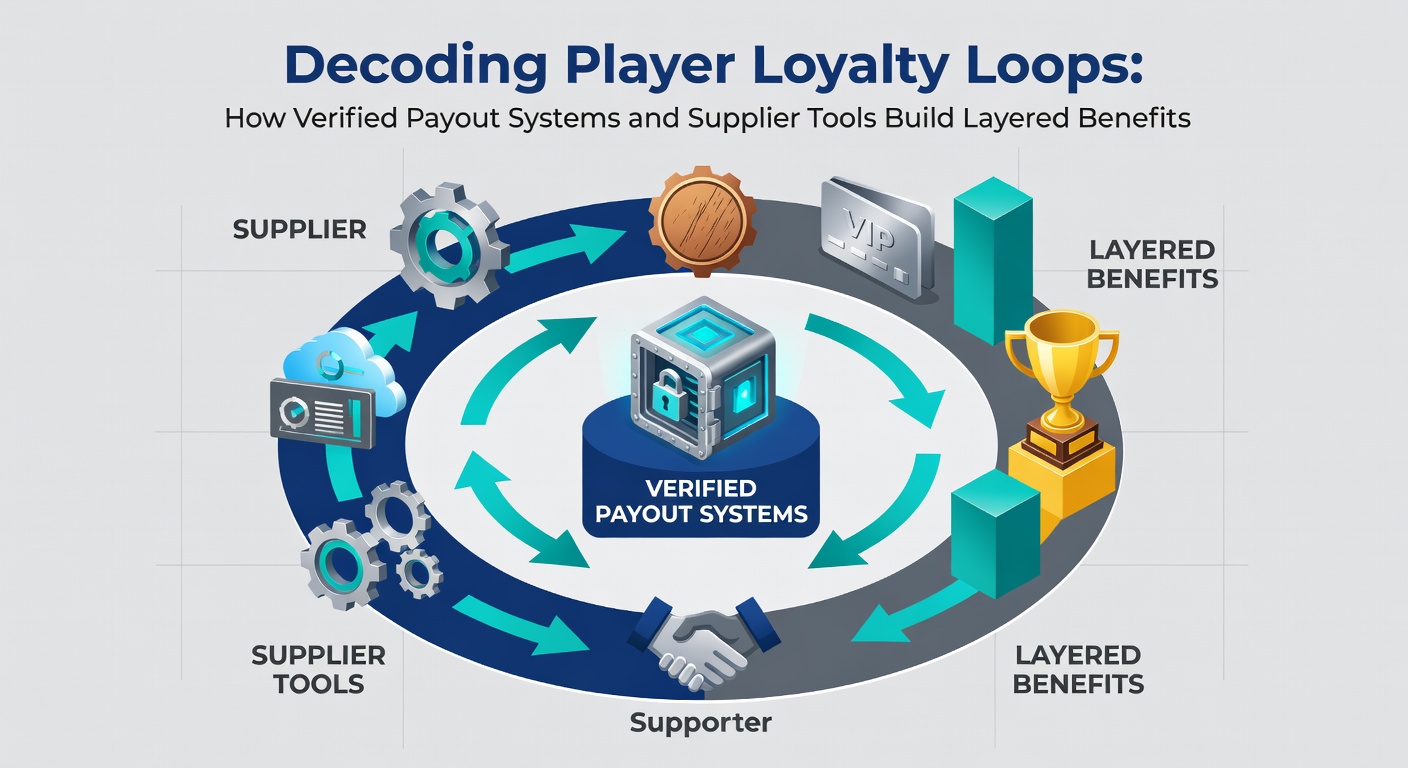
Layered Benefits Emerging from Combined Systems
Layered benefits appear when verified payouts, supplier analytics, and loyalty algorithms operate together rather than in isolation. A player might receive cashback on a withdrawal, an automatic entry into a tournament based on that transaction size, and bonus funds that unlock only after the next verified deposit. Each layer activates sequentially because the underlying tools share a common data schema that timestamps and validates every step.
Operators in regulated markets have documented increases in average player lifetime value after adopting these combined setups, according to reports compiled by the Canadian Gaming Association. The structure encourages longer handheld sessions because rewards feel cumulative rather than random, and the verification step provides visible proof that activity is being tracked accurately. Suppliers continue to refine their toolkits with machine learning components that adjust reward probabilities based on aggregate payout patterns across thousands of devices.
Conclusion
Verified payout systems and supplier tools together create self-reinforcing loyalty loops that operate efficiently within handheld gaming environments. Transaction confirmation feeds directly into reward engines, producing layered benefits that adapt to individual play histories without requiring constant manual oversight. As platforms continue to refine these connections through May 2026 and beyond, the measurable outcomes include tighter retention cycles and more transparent reward delivery across mobile devices.