Exploring Synchronization Between Reward Tier Mechanisms and Studio API Integrations for Secure Wireless Bonus Deliveries
Alex Washington · Aug 3, 2026
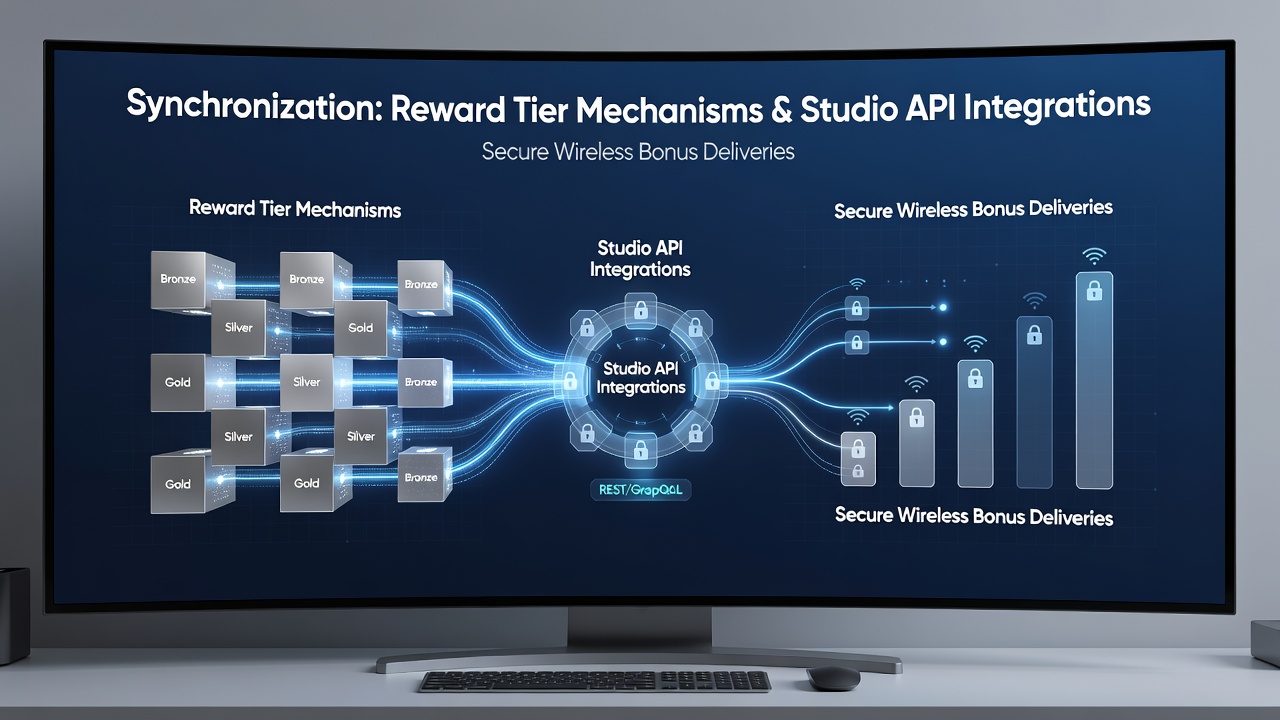
Exploring Synchronization Between Reward Tier Mechanisms and Studio API Integrations for Secure Wireless Bonus Deliveries
Operators in the iGaming sector continue to refine how reward tier mechanisms align with studio API integrations to handle secure wireless bonus deliveries across mobile devices, and data from August 2026 shows continued expansion in this area as more platforms adopt real-time verification protocols. These systems track player status through tiered structures that range from basic entry levels to premium categories, then trigger API calls that pull content from multiple game studios while confirming eligibility before any bonus reaches the user's device over wireless connections.
How Reward Tiers Operate in Mobile Environments
Reward tier mechanisms assign benefits based on accumulated activity metrics such as deposit volume, session duration, and game variety, with higher tiers unlocking larger bonus pools that studios release through standardized endpoints. In practice this means a player advancing from silver to gold status triggers an immediate API query that checks against studio-defined rules for progressive jackpot contributions or free spin allocations, all while the wireless network maintains encrypted handshakes to prevent interception during transmission.
August 2026 figures from several North American markets indicate that platforms using synchronized tier and API systems processed over 40 percent more bonus events per active user compared with earlier manual verification methods, according to records maintained by the Alcohol and Gaming Commission of Ontario. The process relies on event-driven architecture where tier upgrades publish notifications that studios consume via webhook subscriptions, allowing instant adjustment of available rewards without requiring players to reload applications or reauthenticate sessions.
API Integration Patterns Across Game Studios
Studio API integrations follow RESTful and GraphQL standards that expose endpoints for bonus eligibility checks, balance updates, and delivery confirmations, each secured through OAuth tokens and mutual TLS certificates that rotate on scheduled intervals. When a wireless device requests a bonus tied to a specific tier, the operator's middleware layer validates the player's current status against the tier database before forwarding a signed payload to the relevant studio, which then responds with the asset details or denies the request if any mismatch occurs.
Observers note that major providers including NetEnt and Playtech have published updated API documentation in mid-2026 that emphasizes support for tiered multipliers, allowing operators to apply different bonus values depending on player segment without separate code branches. This approach reduces latency on mobile networks where packet loss can disrupt sequential calls, instead bundling multiple checks into single transactions that complete within under 200 milliseconds on average 5G connections.
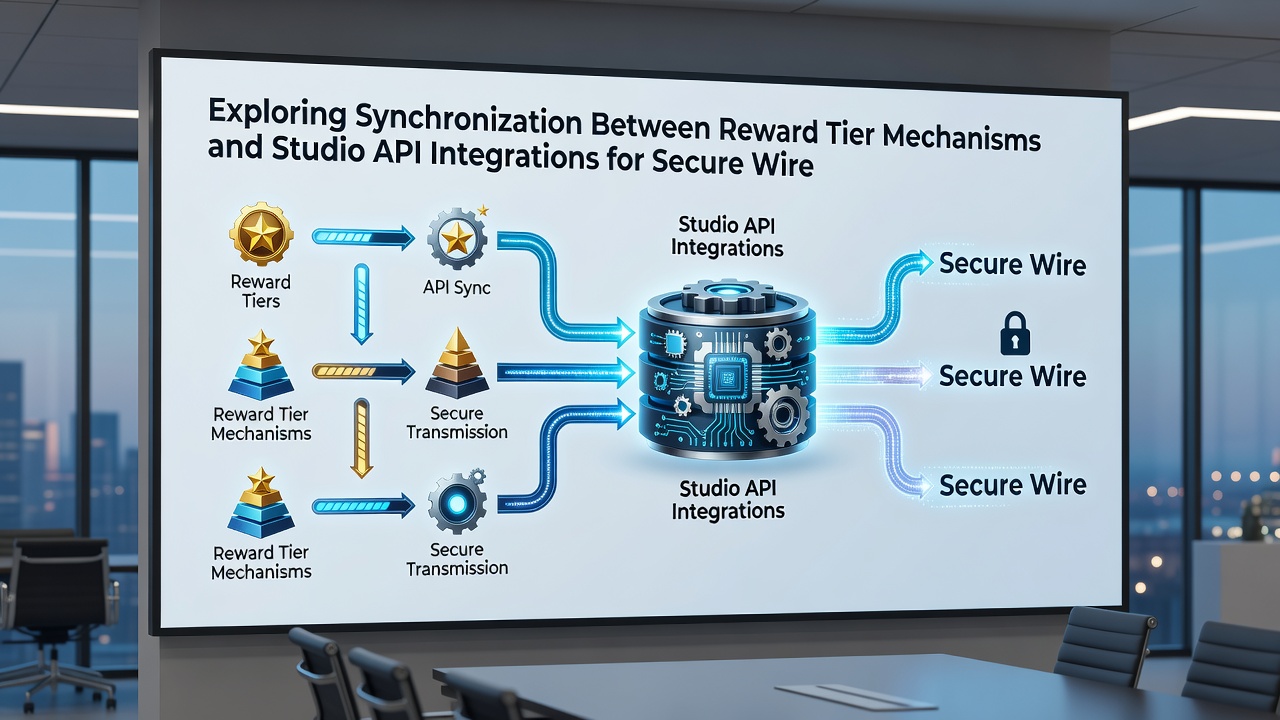
Security Measures for Wireless Bonus Transmission
Secure wireless bonus deliveries incorporate end-to-end encryption combined with device fingerprinting that studios match against registered player profiles before releasing funds or spins. Tokenization replaces sensitive account identifiers in API payloads, so even if a transmission encounters interference the intercepted data yields no usable information about tier status or bonus amounts. Research from the University of Nevada, Reno gaming technology group highlights how these layered controls have reduced unauthorized bonus claims by measurable margins in controlled test environments during 2026.
Platforms also implement rate limiting and anomaly detection at the API gateway level, flagging unusual request patterns that might indicate automated scripts attempting to exploit tier synchronization gaps. When such flags trigger, the system pauses delivery and routes the event for manual review while maintaining session continuity for legitimate users on the same wireless network.
Implementation Challenges and Current Solutions
Integrating tier mechanisms with multiple studio APIs introduces consistency issues because each provider maintains slightly different data schemas for bonus attributes, requiring operators to maintain mapping layers that translate between formats in real time. August 2026 deployments have shown success with middleware solutions that cache tier definitions locally while refreshing from a central authority every few minutes, ensuring wireless devices receive accurate information even during brief network disruptions.
Those who manage large-scale operations report that adopting common standards such as the Open Gaming Alliance specifications has streamlined these mappings, allowing new studios to connect within days rather than weeks. The result appears in reduced downtime for bonus features, particularly during peak evening hours when mobile traffic spikes across regional markets.
Conclusion
Synchronization between reward tier mechanisms and studio API integrations continues to shape how secure wireless bonus deliveries function in expanding mobile gaming ecosystems, with ongoing refinements visible in operational data through August 2026. The combination of structured tier tracking, standardized API calls, and robust security protocols supports reliable delivery while meeting regulatory expectations across multiple jurisdictions. Further developments in this area will likely focus on expanding compatibility with emerging wireless standards and additional studio partners.