Inside the payout verification chains linking tiered reward structures with software developer APIs across portable platforms
Morgan Simon · Jun 3, 2026
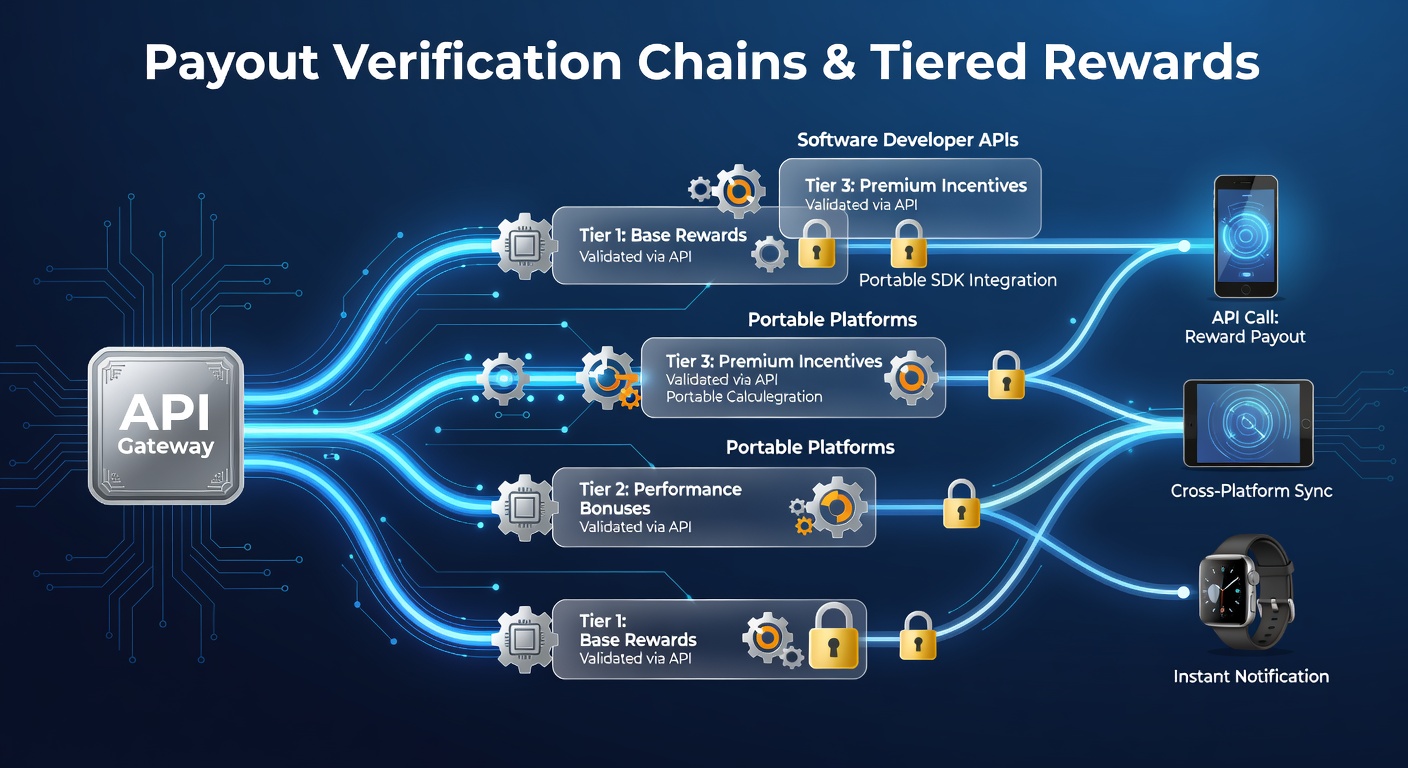
Inside the payout verification chains linking tiered reward structures with software developer APIs across portable platforms
Portable gaming platforms rely on interconnected systems where payout verification chains process transactions through multiple layers before funds reach player accounts, and these chains directly interface with tiered reward structures that adjust benefits based on activity levels. Software developer APIs serve as the connective tissue, allowing game providers to transmit data on bets, wins, and session metrics to central verification modules that confirm compliance with jurisdictional rules before any reward tier advancement occurs.
Verification begins at the transaction origin point on mobile devices, where APIs from studios like those supplying slot or table content push encrypted payloads containing stake amounts, game outcomes, and timestamps into a sequential chain managed by platform operators. Each link in the chain performs checks for duplication, regulatory limits, and account status, with results feeding forward to determine eligibility for the next reward tier such as bronze through platinum levels that unlock higher cashback percentages or exclusive event access. Observers note that delays at any verification node can pause tier progression until clearance arrives, creating a feedback loop that keeps reward calculations aligned with verified activity only.
How API integrations support tiered reward calculations
Software developers expose endpoints that return standardized data objects covering player behavior across sessions, and platform systems consume these objects to populate tier progression trackers that adjust dynamically once verification completes. For instance, an API call triggered after a verified win on an Android device might increment loyalty points while simultaneously updating the player's position within a multi-tier ladder, provided the payout chain has confirmed the transaction against anti-money laundering flags and spending caps set by local regulators. Research indicates that this synchronization prevents discrepancies where unverified activity could artificially inflate tier status, since the chain enforces sequential approval before reward engines apply multipliers or unlockables.
Portable platforms introduce additional variables because operating system differences affect API response times and data formatting, yet developers maintain consistent schemas that allow the same verification chain to operate across iOS and Android environments without modification. Those who manage these systems report that middleware layers translate device-specific signals into uniform formats before they enter the payout sequence, ensuring tier benefits reflect only authenticated play rather than platform artifacts. Data from the Alcohol and Gaming Commission of Ontario shows rising volumes of mobile transactions processed through such integrated chains during early 2026, with verification completion rates remaining stable despite increased session counts.
Verification sequence mechanics and reward linkage points
The chain typically follows a fixed order beginning with device-level authentication, moving through game outcome validation supplied via developer APIs, then into financial reconciliation modules that confirm available funds and jurisdictional limits, and finally reaching the reward engine that evaluates cumulative metrics against tier thresholds. A single payout event can trigger multiple API handshakes, each returning status codes that either advance the chain or route the transaction for manual review when anomalies appear. Because tiered rewards depend on these verified events, operators program conditional logic so that points or status upgrades occur only after the final chain node signals approval, which avoids situations where reversed transactions would require retroactive tier adjustments.
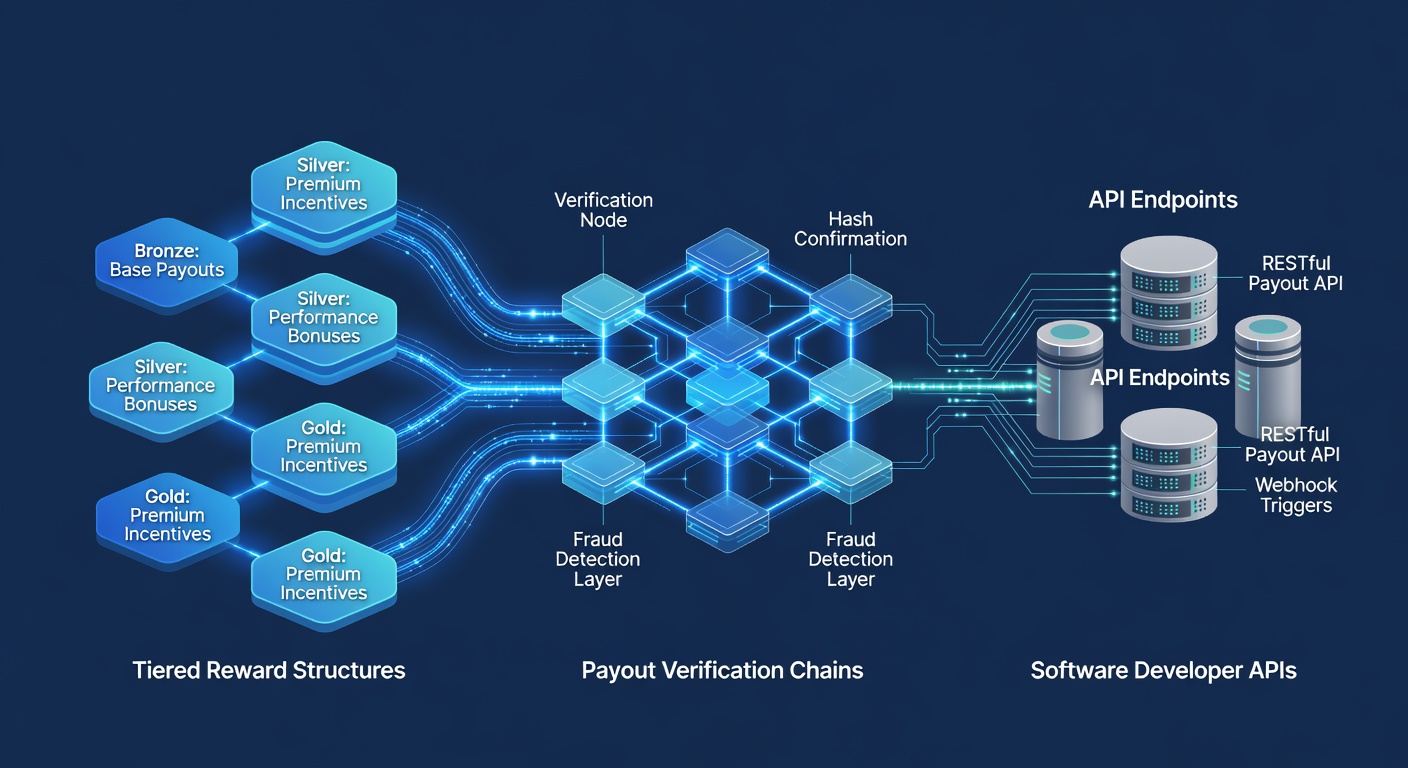
June 2026 updates from several platform providers introduced enhanced API versioning that includes real-time tier status fields returned alongside payout confirmations, allowing developers to surface personalized reward previews directly in game interfaces on portable devices. This change streamlines the experience because players receive immediate visibility into how a completed, verified transaction affects their position in the reward ladder without separate queries to loyalty systems. External reports compiled by the Nevada Gaming Control Board document similar patterns in regulated markets where API-driven verification reduced average payout processing intervals by measurable margins while maintaining audit trails required for tier benefit distributions.
Cross-platform consistency and data integrity measures
Portable platforms demand that verification chains accommodate variable network conditions and device capabilities, so developers implement retry protocols and fallback endpoints that preserve chain integrity even during intermittent connectivity. When a transaction packet reaches the reward linkage point, the system cross-references it against historical player data to confirm that tier advancement criteria, such as minimum verified wager totals within a rolling period, have been satisfied through authenticated API records rather than simulated activity. Academic analyses from institutions studying digital transaction systems have examined how these layered verifications reduce error propagation across mobile ecosystems, particularly when multiple game studios contribute content under a single operator umbrella.
Security protocols embedded in the APIs encrypt sensitive fields at each hop, and verification nodes apply digital signatures that subsequent links must validate before proceeding, which collectively safeguards the accuracy of tier calculations tied to those transactions. Operators configure dashboards that monitor chain throughput and flag bottlenecks where reward updates lag behind payout confirmations, prompting targeted optimizations in the API integration layer. Figures released through industry consortiums tracking North American mobile gaming volumes reveal that platforms employing tightly coupled verification and reward systems handle peak loads without compromising the sequential integrity required for accurate tier assignments.
Conclusion
The architecture linking payout verification chains with tiered rewards through software developer APIs creates a closed system where only authenticated activity influences benefit levels across portable platforms. Continued refinements in API standards and verification sequencing support consistent operation as mobile volumes grow, with regulatory data underscoring the reliability of these interconnected processes in maintaining compliance and accurate reward delivery.