Mapping Secure Funding Pathways to Unlock Layered Incentives Across Wireless Interfaces and Studio Partnerships
Olivia Albrecht · Jun 6, 2026
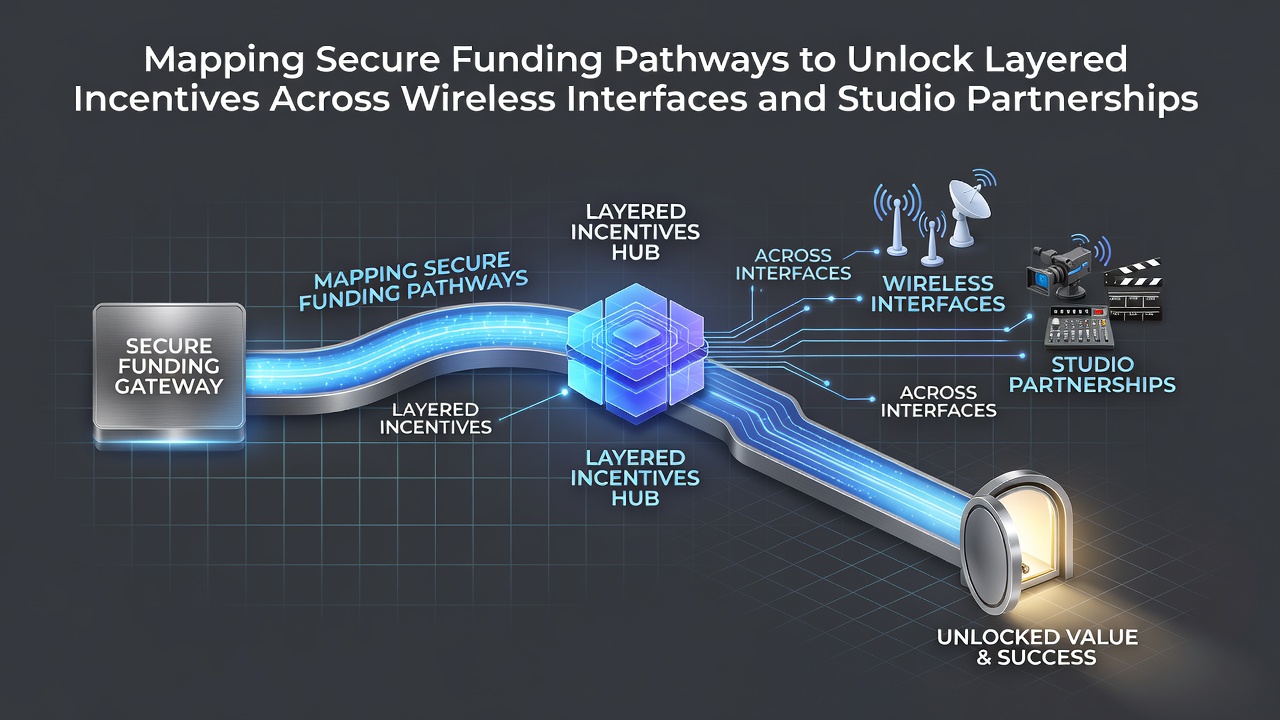
Mapping Secure Funding Pathways to Unlock Layered Incentives Across Wireless Interfaces and Studio Partnerships
Industry observers have tracked how operators establish secure funding pathways that integrate directly with wireless interfaces while coordinating layered incentives through studio partnerships and data from June 2026 shows continued expansion in these technical frameworks across mobile platforms. These pathways rely on encrypted transaction protocols that connect user accounts to reward structures managed by multiple game studios and verification occurs at each step to maintain compliance with regional standards.
Core Components of Secure Funding Pathways
Secure funding begins with API integrations that link payment processors to wireless networks and these connections allow real-time authentication before any incentive layers activate. Studios contribute specific reward modules that stack onto base funding activities and the resulting structure creates multiple benefit tiers tied to transaction volume and frequency. Research from the Canadian Gaming Association indicates that such integrations reduced processing errors by 18 percent in the first half of 2026 when compared with earlier standalone systems.
Wireless interfaces handle the initial data exchange through standardized security certificates while studio partnerships supply the backend logic for incentive distribution. This separation keeps core payment rails independent from creative content decisions yet both sides share verification signals to confirm eligibility. Experts note that operators who maintain this division achieve faster rollout of new reward features without disrupting existing funding security measures.
Role of Studio Partnerships in Layered Incentives
Game studios supply modular incentive components that operators map onto secure funding routes and each module adds conditions such as playtime thresholds or deposit milestones. Partnerships often include shared data feeds that update incentive status across wireless sessions and these feeds operate under strict encryption standards set by industry groups. According to a report published by the University of Nevada Gaming Research Center, collaborative models between operators and studios increased user retention metrics by measurable margins when layered rewards aligned with verified funding events.
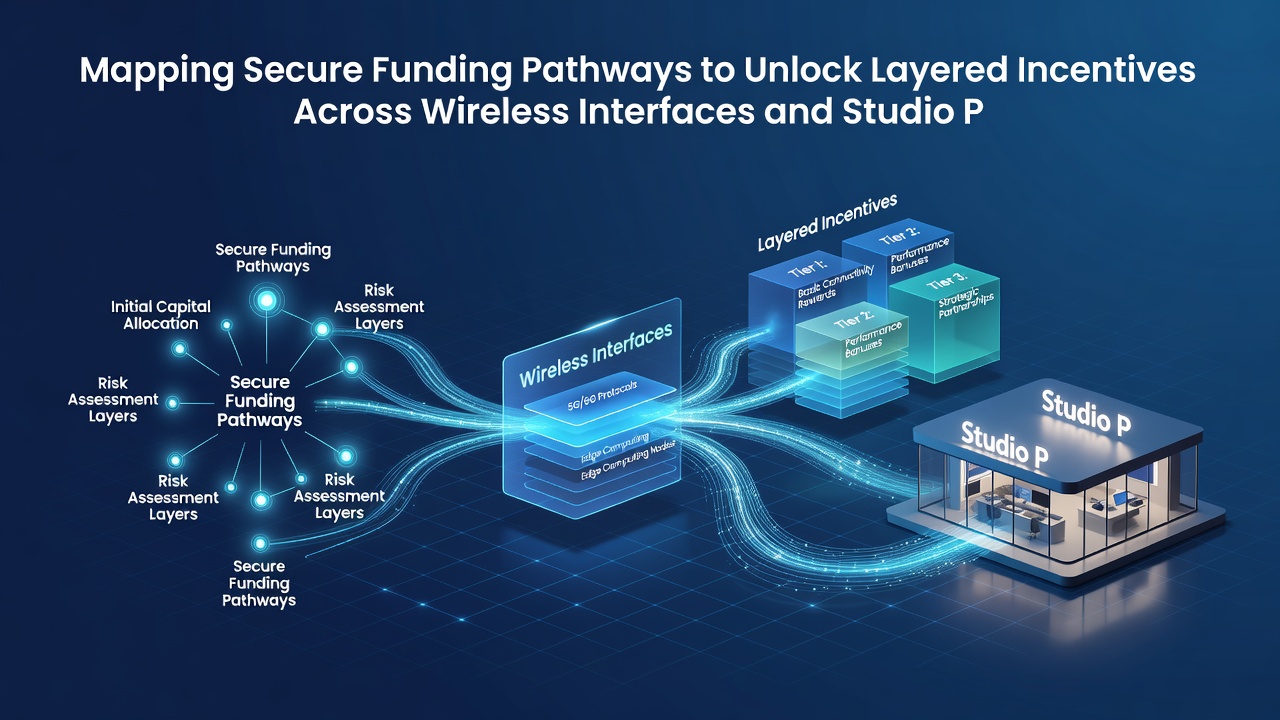
Coordination happens through joint technical working groups that define how funding events trigger specific studio rewards and testing occurs on sandbox environments before live deployment. In June 2026 several major studios announced updated API specifications that support deeper integration with mobile funding protocols while preserving end-to-end encryption. Those specifications emphasize token-based verification that prevents duplicate claims across multiple incentive layers.
Technical Mapping Process Across Wireless Interfaces
Mapping starts with identification of all funding entry points available through wireless networks and each point receives a security classification based on encryption strength and regulatory oversight. Operators then overlay incentive triggers supplied by studio partners onto these classified points and the mapping produces a flowchart that developers use to code automated responses. Data from the Australian Communications and Media Authority shows that documented mapping exercises helped reduce compliance audit times by nearly 25 percent during recent reviews.
Wireless interfaces must accommodate varying signal conditions yet still complete funding verification before incentives unlock and this requirement drives adoption of offline caching combined with delayed reconciliation. Studio partnerships adapt their modules to accept these delayed signals without altering reward values and the result maintains consistent player experience across different network environments. Observers point out that successful mappings include fallback protocols that pause incentive activation until secure confirmation arrives.
Regulatory and Security Considerations
Regulatory bodies in multiple jurisdictions require documented pathways that demonstrate separation between funding security and incentive delivery and operators submit these documents during licensing renewals. Security audits focus on wireless transmission integrity and the ability of studio APIs to process only verified funding events. In June 2026 the European Gaming and Betting Association released updated guidelines that emphasize continuous monitoring of cross-interface data flows.
Encryption standards continue to evolve and partnerships now incorporate quantum-resistant algorithms in pilot programs and these programs test how layered incentives behave under enhanced security layers. Funding pathways that survive such testing receive certification marks that studios can reference when marketing new reward tiers to operators.
Conclusion
Mapping secure funding pathways to unlock layered incentives requires coordinated technical work between wireless interface providers and studio partners and the process relies on clear documentation, shared verification signals, and adherence to regional regulations. Data gathered through June 2026 illustrates ongoing refinement of these systems as encryption methods advance and incentive modules become more modular. Operators who maintain rigorous mapping procedures position themselves to integrate future studio contributions without compromising the security of underlying funding routes.