Safety Protocols Shaping Bonus Allocation Pathways Through Supplier Standards in Smartphone-Based Loyalty Frameworks
Ellis Lange · Jul 25, 2026
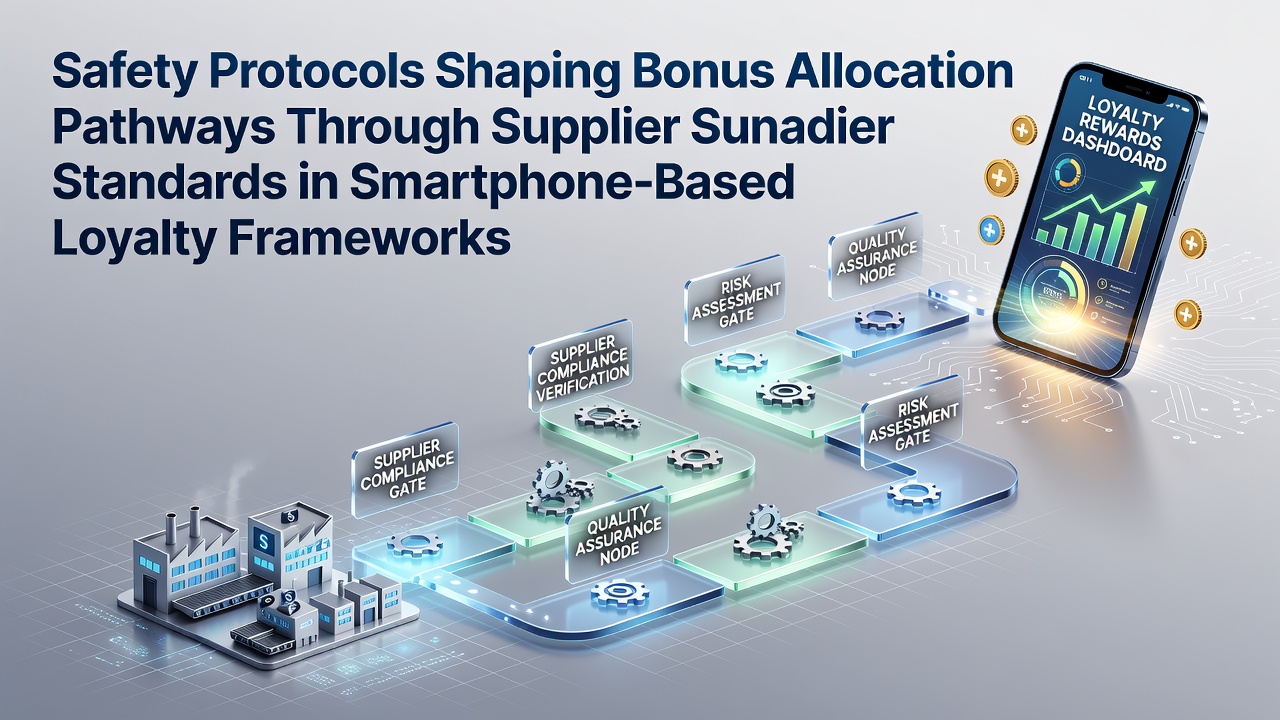
Safety Protocols Shaping Bonus Allocation Pathways Through Supplier Standards in Smartphone-Based Loyalty Frameworks
Smartphone-based loyalty frameworks have expanded rapidly in recent years, and safety protocols now play a central role in determining how bonuses reach users through supplier standards. These frameworks rely on mobile applications that connect consumers with reward systems, and the allocation of bonuses depends on verification processes established by technology suppliers and regulatory requirements. Data from industry reports shows that secure data handling and identity confirmation steps directly influence which pathways bonuses follow before they reach end users.
Core Elements of Supplier Standards
Supplier standards cover encryption requirements, transaction monitoring, and data storage practices that mobile platforms must follow before any bonus allocation occurs. Research indicates that companies providing software development kits and application programming interfaces set specific security thresholds, and these thresholds determine whether a transaction qualifies for reward distribution. Observers note that when suppliers enforce multi-factor authentication and real-time fraud detection, bonus pathways become more restricted yet more reliable for participants who meet the criteria.
Standards also address how personal information moves between devices, payment processors, and loyalty databases. According to figures from the National Council of Problem Gambling, platforms that integrate supplier-certified security modules experience fewer interruptions in reward processing during peak usage periods. Those modules require regular audits, and the results of these audits shape which bonus types become available in a given month.
How Safety Protocols Guide Allocation Pathways
Safety protocols function as gatekeepers that review user activity before bonuses are released. These protocols check device integrity, location data, and transaction history, then assign scores that decide whether a user enters a standard reward path or a premium one. Evidence suggests that higher security scores lead to faster bonus activation, while lower scores trigger additional verification steps that delay or alter allocation.
Platforms that adopt updated supplier standards in July 2026 have reported changes in how bonuses flow to users. New requirements for end-to-end encryption and behavioral analytics have narrowed certain pathways while expanding others tied to verified accounts. Industry data reveals that these adjustments reduced unauthorized access attempts by measurable percentages across multiple applications.

Integration with Regulatory and Industry Requirements
Regulatory bodies in various regions set baseline expectations that suppliers must meet before their standards can influence bonus systems. The New Jersey Division of Gaming Enforcement publishes guidelines on secure transaction handling, and platforms that align with these guidelines receive certification that opens additional allocation routes. Similar frameworks exist through the Alcohol and Gaming Commission of Ontario, where supplier compliance documentation directly affects how loyalty rewards are structured on mobile applications.
Industry organizations such as the European Gaming and Betting Association compile reports on best practices for data protection in loyalty programs. These reports highlight that platforms using certified supplier tools experience more consistent bonus delivery because verification steps occur automatically within the application environment. Academic studies from research institutions have examined how these integrated systems reduce processing errors that previously disrupted reward distribution.
Impact on User Pathways and Platform Operations
Users encounter different bonus pathways depending on how well their device and account meet supplier-enforced safety criteria. Accounts that pass initial security checks gain access to immediate reward options, whereas accounts requiring further review move through extended pathways that include manual confirmation. This structure ensures that bonus allocation remains tied to verified activity rather than automated distribution alone.
Platform operators track these pathways through dashboards supplied by technology providers, and the dashboards display compliance metrics alongside reward statistics. Data collected in mid-2026 shows that applications with strong supplier integration maintained higher user retention rates because participants trusted the security measures supporting their bonuses. The pathways themselves adapt when suppliers release new protocol updates, which forces platforms to recalibrate allocation rules accordingly.
Conclusion
Safety protocols continue to define the structure of bonus allocation within smartphone-based loyalty frameworks by enforcing supplier standards at every stage of the process. Regulatory alignment, encryption requirements, and verification scoring systems work together to create reliable pathways that connect user activity to reward delivery. As mobile platforms evolve, the relationship between these protocols and allocation mechanisms remains a central factor in how loyalty frameworks operate across different regions and applications.