Secure Pathways to Exclusive Live Experiences: Connecting Payment Verifications with Program Milestones
Alex Washington · Jun 27, 2026
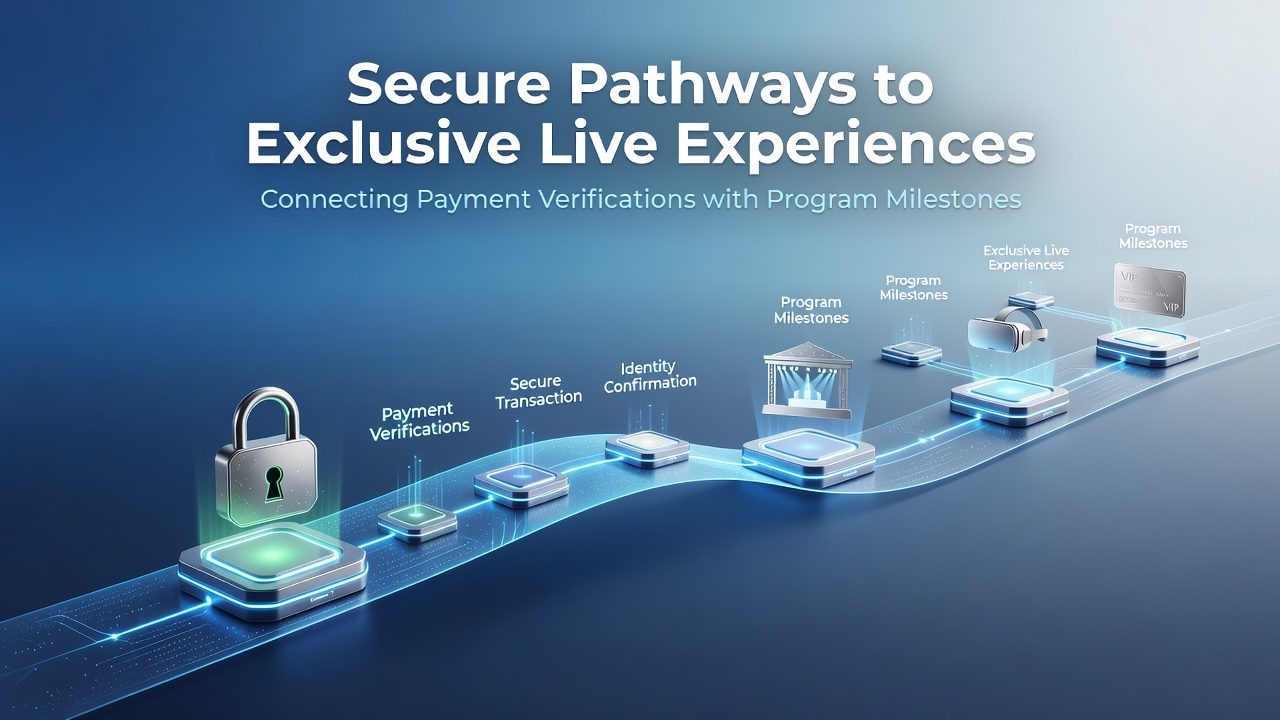
Secure Pathways to Exclusive Live Experiences: Connecting Payment Verifications with Program Milestones
Payment verification systems now link directly to milestone tracking tools across many entertainment platforms, and observers note this connection creates secure routes to exclusive live events. Data from June 2026 shows increased adoption of these integrated pathways in digital gaming environments, where verified transactions trigger progress toward tiered rewards. Researchers have documented how encryption protocols and real-time confirmation processes reduce errors in milestone calculations while maintaining user privacy standards.
Understanding the Core Connection Mechanisms
Program milestones typically include deposit thresholds, playtime accumulations, and activity streaks that platforms measure through automated systems. Payment verifications feed into these trackers via secure APIs, which means each confirmed transaction updates user profiles without manual intervention. Those who've studied these setups find that multi-factor authentication layers add protection against unauthorized access, while still allowing seamless progression toward live experience unlocks such as private streams or reserved seating at events.
Industry reports highlight how blockchain elements sometimes appear in verification chains to log transactions immutably. This approach helps platforms maintain audit trails that regulators can review during compliance checks. Figures from regulatory bodies in Australia indicate steady growth in such secure integrations during the first half of 2026, with platforms reporting fewer disputes over milestone credits after implementation.
Technical Pathways and Security Protocols
Secure pathways rely on tokenization methods that replace sensitive payment data with unique identifiers during transmission. Developers connect these tokens to milestone databases through encrypted channels, and experts observe this reduces exposure risks compared to older direct data sharing models. When users reach specific verification counts, automated scripts evaluate eligibility for exclusive live content, such as behind-the-scenes access or interactive sessions with performers.
One case study from a North American platform revealed that after linking verification APIs to milestone engines, completion rates for reward tiers rose noticeably within three months. The system used geofencing and device fingerprinting alongside payment checks to confirm legitimate activity before granting access codes for live experiences.
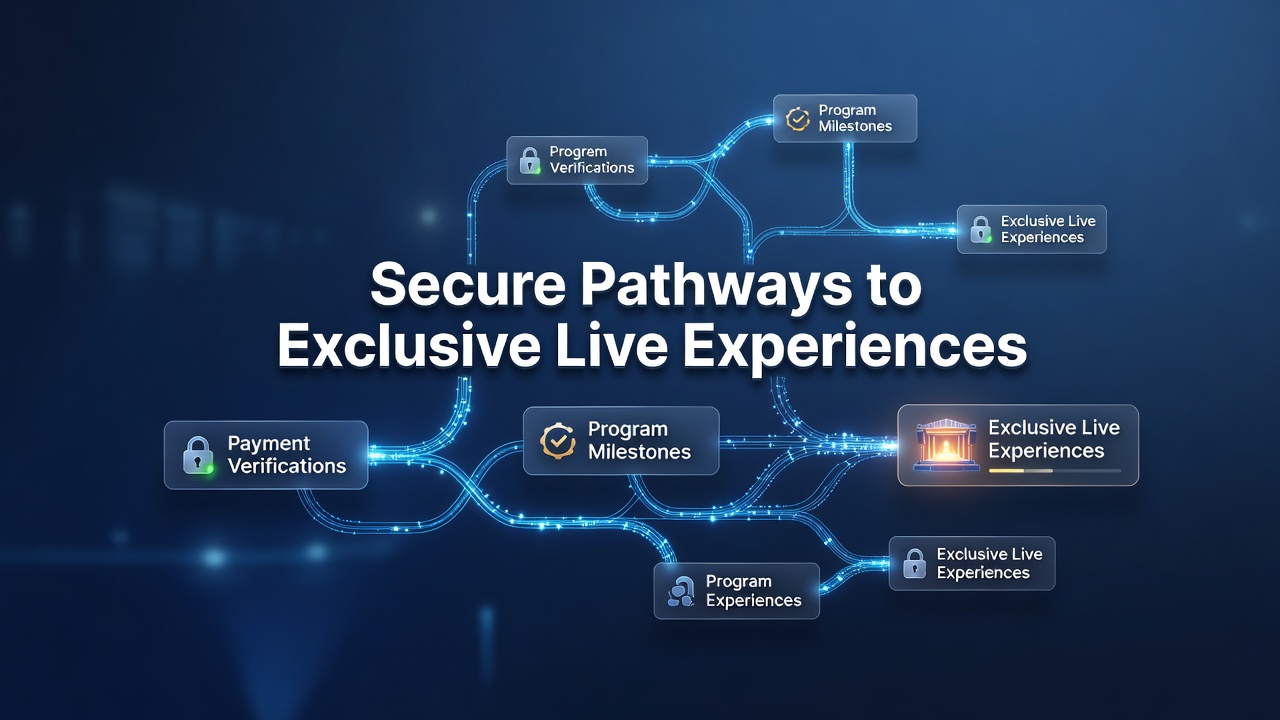
Canadian regulatory data from mid-2026 further supports these observations, noting that platforms employing layered verification reported lower incident rates related to account compromises. Observers point out that such frameworks also align with broader data protection requirements across multiple jurisdictions.
Integration with Live Experience Delivery
Once milestones connect to verified payments, platforms issue digital passes or reservation links for live events. These deliveries often occur through dedicated portals that require secondary verification steps, and people who've accessed such systems describe the process as straightforward yet robust. Research from European academic sources shows that synchronized payment and milestone data improves user retention metrics by ensuring rewards feel earned and secure.
Platforms coordinate with event organizers to reserve spots based on real-time milestone data, which means high-tier users receive priority notifications ahead of general releases. This linkage appears in various sectors beyond gaming, including virtual concerts and premium sports viewing packages, where payment histories validate eligibility.
Regulatory and Industry Influences in 2026
Updates to compliance frameworks in several regions during June 2026 emphasized transparent connections between payment systems and reward programs. According to data from the Nevada Gaming Control Board, operators must document how verifications influence milestone achievements to maintain licensing standards. Similar guidelines from Singapore's regulatory authorities stress auditability in these pathways to protect participants.
Industry organizations have published guidelines recommending regular penetration testing of the integrated systems. These tests examine how payment confirmations flow into milestone logs without creating vulnerabilities that could affect live experience allocations. Platforms adopting these recommendations report smoother operations during peak reward redemption periods.
Future Developments and Current Trends
Emerging standards focus on artificial intelligence models that predict milestone completion based on payment patterns while flagging anomalies. Researchers at various institutions continue to examine how these predictive tools interact with existing verification protocols to enhance security without slowing user progress. Data indicates platforms in Asia-Pacific markets lead in testing such hybrid approaches as of mid-2026.
Observers note ongoing collaborations between payment processors and entertainment providers aim to standardize milestone tracking formats. This standardization could allow users to transfer progress across platforms more easily while preserving the security of verified transaction histories.
Conclusion
Secure pathways that connect payment verifications with program milestones continue to shape access to exclusive live experiences across digital platforms. Evidence from regulatory reports and industry analyses shows these integrations support both security and operational efficiency in 2026. Platforms that maintain clear, auditable links between the two elements demonstrate stronger compliance records and user engagement levels. Continued refinement of these systems appears likely as technology and regulations evolve together.