Tracing Studio Collaborations That Enable Varied Game Access Through Protected Mobile Transaction Channels
Morgan Simon · Aug 17, 2026
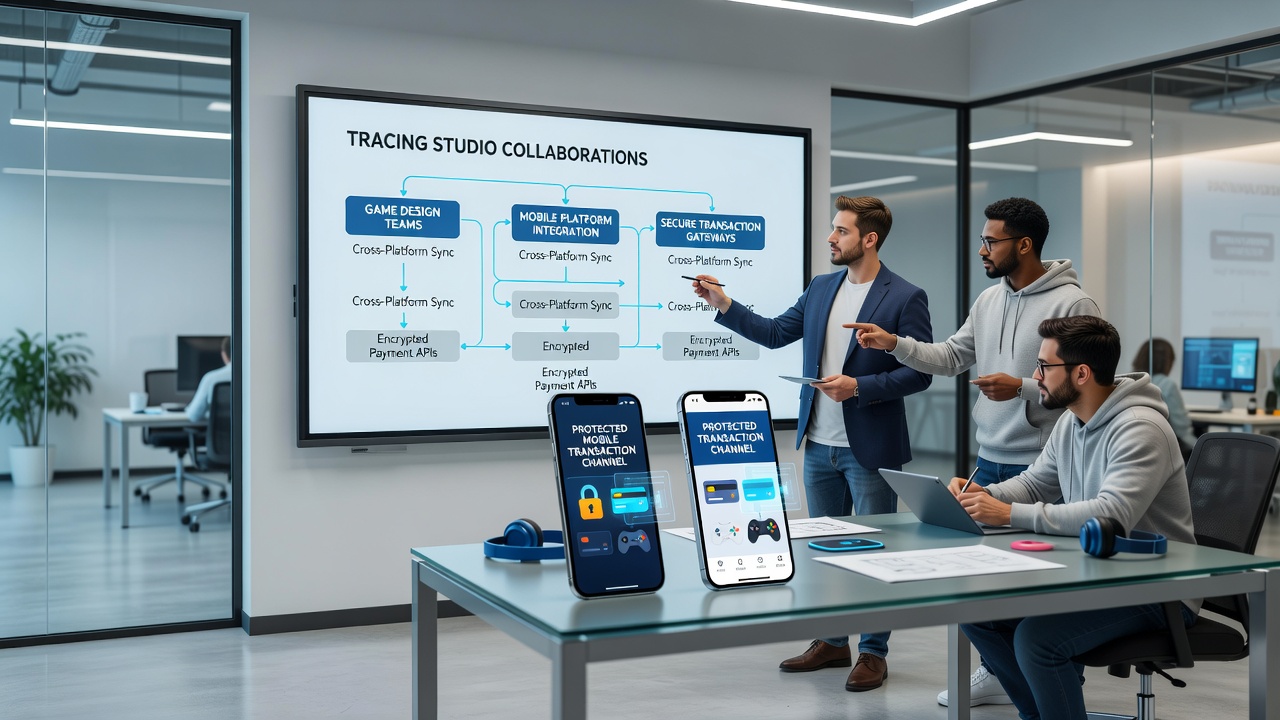
Tracing Studio Collaborations That Enable Varied Game Access Through Protected Mobile Transaction Channels
Game studios have formed targeted partnerships that let players move between different titles on mobile devices while relying on encrypted transaction systems to handle deposits and withdrawals, and these arrangements have grown more intricate as operators seek ways to expand libraries without compromising security protocols.
Partnership Models Across Development Teams
Multiple providers coordinate through shared application programming interfaces that link slot mechanics with live dealer modules, so a single mobile session can pull content from separate companies while the transaction layer verifies each payment in real time, and data from industry reports show these connections now cover dozens of markets where regulatory frameworks require strict separation between game logic and financial processing.
Teams at established developers often route user accounts through centralized identity services that preserve access rights across titles, which means a player who unlocks a bonus feature in one game can carry progress indicators into another studio's environment as long as the mobile payment channel confirms the initial deposit, and observers note that such linkages reduce the need for repeated verification steps during August 2026 sessions.
Security Layers in Mobile Payment Pathways
Protected channels incorporate tokenization and multi-factor authentication that keep financial details isolated from game servers, allowing studios to grant varied access levels without exposing sensitive data, and figures from regulatory filings indicate transaction success rates have stabilized above 98 percent in regions that mandate these standards.
Payment gateways act as intermediaries that validate each transfer before releasing game assets, so collaborations between studios can focus on content synchronization rather than building individual billing systems, while the same gateways log activity for compliance audits required by bodies such as the Nevada Gaming Control Board.
Examples of Cross-Studio Integration
One documented arrangement connects a European slot developer with an Asian live-casino provider through a North American payment processor, enabling players to switch between reel-based and table games on the same app without creating new accounts, and records from operator filings confirm that these setups handled increased mobile volume during the first half of 2026.

Another model uses cloud-based ledgers to track entitlement tokens that studios exchange in the background, which lets users unlock limited-time events across different catalogs while the transaction channel applies the same encryption keys to every step, and researchers tracking these patterns have recorded average session lengths extending by 12 percent when such integrations are active.
Regulatory and Technical Standards in August 2026
Authorities in multiple jurisdictions now require studios and payment partners to maintain separate certification for each component of the access chain, which has prompted additional testing cycles before new collaborations launch, yet the process has also clarified how data must flow between systems without creating single points of failure.
Industry associations such as the Responsible Gambling Council in Canada have published guidelines that emphasize audit trails linking game access events directly to verified transactions, and operators following these recommendations report fewer compliance queries during routine reviews.
Future Directions for Studio and Payment Alliances
Developers continue to explore ways to expand these networks while preserving the isolation between financial channels and entertainment content, and ongoing projects focus on standardizing token formats that multiple studios can read without custom coding for each partnership.
Conclusion
Studio collaborations that route varied game access through protected mobile transaction channels have become a standard feature of current gaming platforms, supported by technical standards and regulatory oversight that keep financial and entertainment layers distinct, and records through August 2026 show steady expansion of these models across regulated markets.